
Who are we
Introducing the FDSSUK committee. Click the buttons to go to a description of each member.
Committee Member:
Committee Member:
Committee Member
Comms Lead:
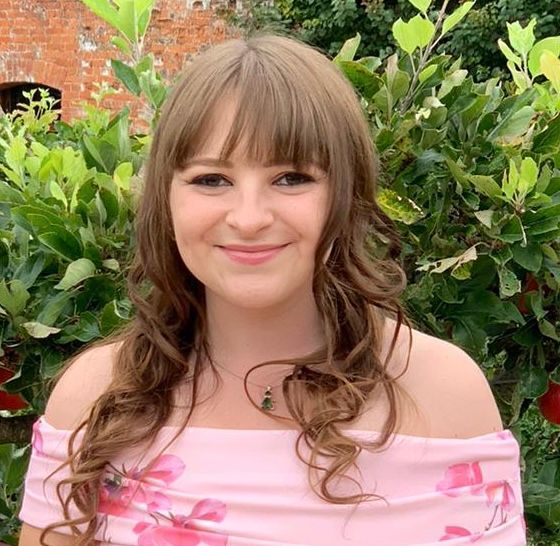
Nicola Deeley
(Chair)
I was diagnosed with FD/MAS via a lesion in my skull following a biopsy at 16 years old, it had taken 3 years of hospital appointments until they scanned me to find the FD lesion. When I was 26 years old I burst fractured my T11 vertebrae and had to undergo emergency spinal surgery, and have subsequently fractured 3 more vertebrae. I have suffered daily chronic pain since I was 13 years old.
I really hope to raise more awareness and support for FD/MAS, as a research scientist myself I know the importance of funding rare diseases. When I was first diagnosed I felt very isolated due to the rarity of the disease, however I hope that the FDSSUK can continue to build a strong, supportive community within the U.K.
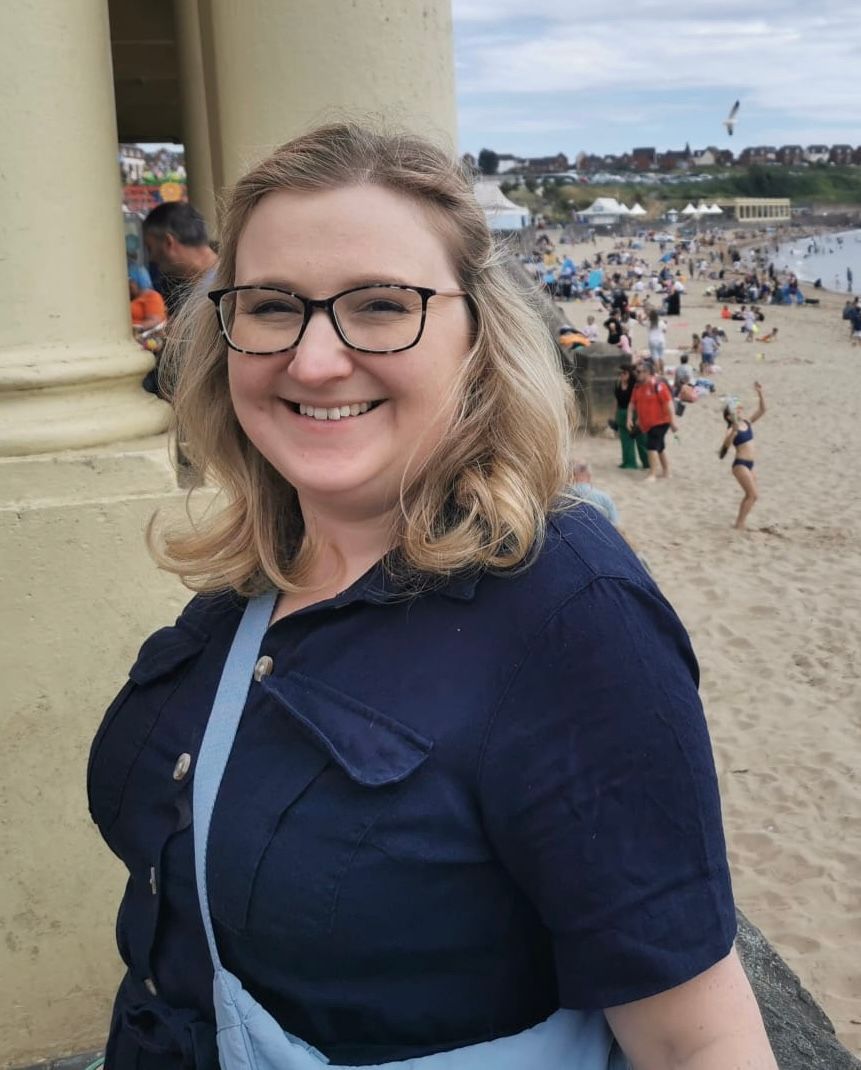
Jessica Lloyd (Secretary)
I was diagnosed with Fibrous Dysplasia when I was around 18 years old. I have the condition in my left hip and pelvis area and have not had any surgeries to date. I have tried various treatments including steroid injection, bisphosphonates (Pamidronate) and physiotherapy.
My working career is in Human Resources, and I'm currently an Organisational Development Manager. I love reading and going to the theatre in my spare time.
I joined the FDSS UK committee in 2025 with the aim of raising more awareness about FD/MAS and be part of a great community supporting each other.
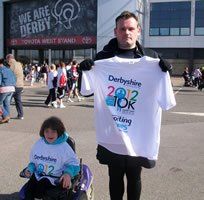
Jamie Watson (Treasurer)
My daughter Charlotte was born in 2001 and had endocrine issues from birth. There was very little information back then here but we eventually got a diagnosis of McCune-Albright Syndrome. I remember those early days of uncertainty and worry so when the opportunity came along to get involved with a UK support group I jumped at the chance.
Charlotte’s case is quite extensive but this syndrome affects everyone in very different ways and with varying levels of severity. I would urge anyone reading this to get involved or come along to one of our meetings as we are such a rare and unique group that we need to work together.
I am proud to have been a part of this organisation and watch it grow. I am excited about the future possibilities we have to both support new and existing patients but also to work together with international support groups to further research in this field.
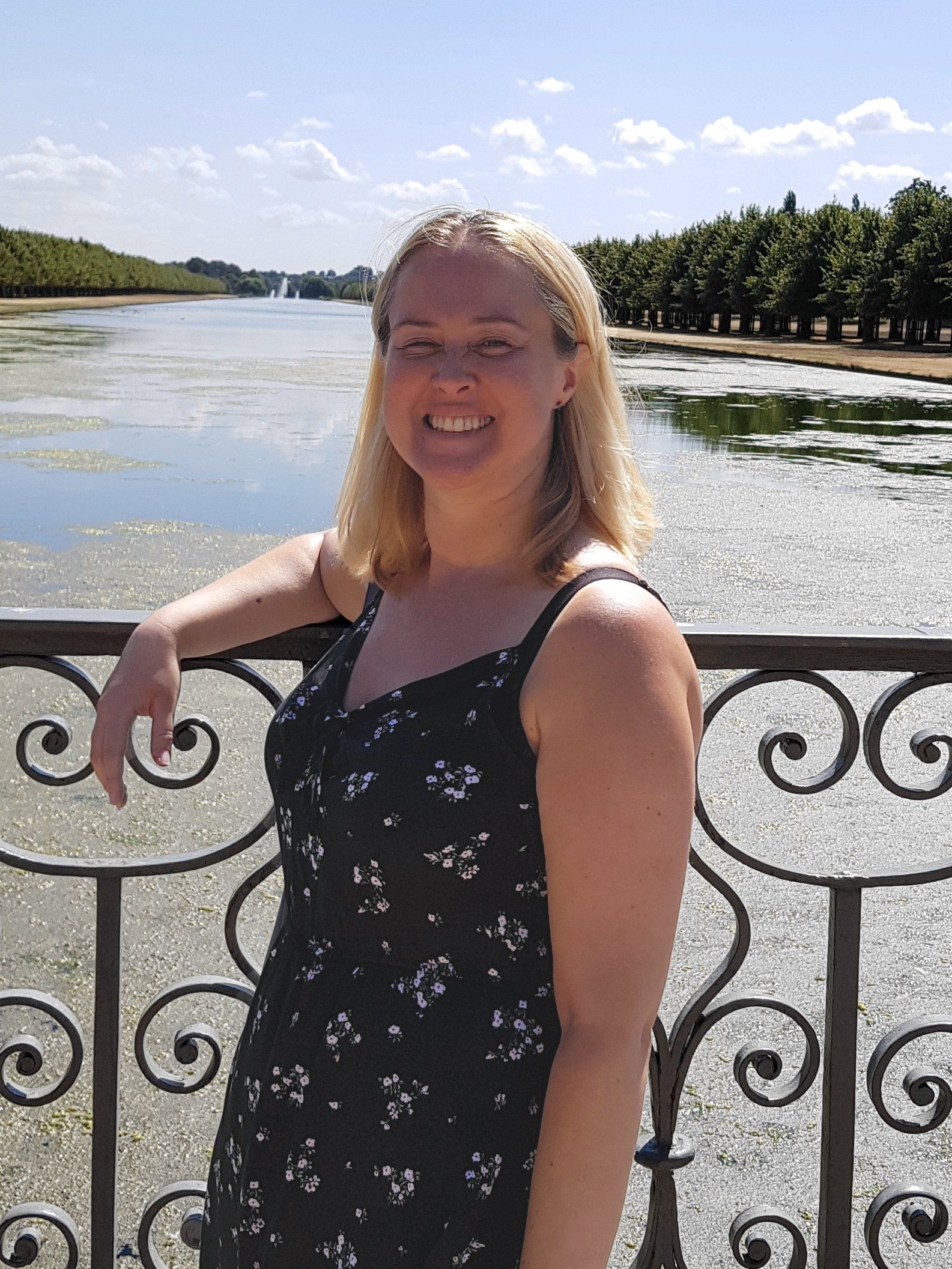
Heather Delaney (Committee Member)
I was diagnosed with Polyostotic Fibrous Dysplasia in 1989, when I was 10 years old. My left hip, femur and tibia are all affected along with thyroid issues. I have had 8 operations over the years, my last one in 2013. Since then my pain has been increasing along with chronic fatigue.
My biggest achievement was giving birth to my Son in 2015. He is healthy and leads a fun life. We both share a love of travelling, so we try and visit as many places as possible.
When I was growing up with Fibrous Dysplasia, there was no support network and there was very little information available, it was very isolating at times. Now it's great to be able to share stories with other patients and carers. I really enjoy interacting with our members and feeling part of a community.
The most important thing for me is to spread more awareness of the disease and get the correct treatment for every patient. I am passionate about finding Specialists all over the UK.
I attend lots of rare disease events and I have made lots of contacts with other rare disease support groups and charities. Together we can make a difference and get our voices heard within the medical community.
The biggest problem I face is pain, it's constant all day everyday. I have managed it myself for years, as none of the conventional prescribed methods of pain control work well for me. I would like to see some more research in Fibrous Dysplasia pain and see more drug development, as I feel the pain is overlooked by Dr's and very misunderstood. I would happily support this.
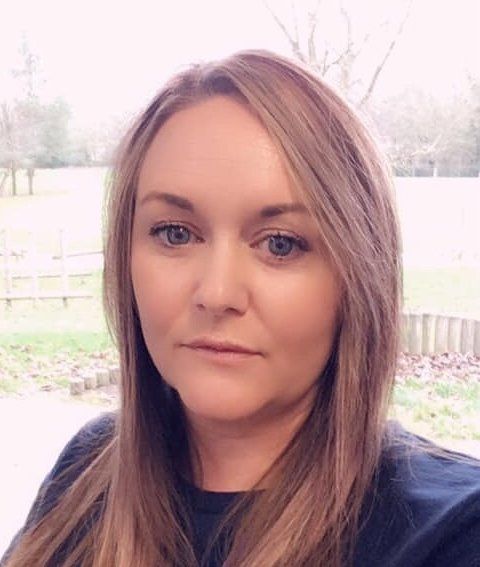
Stacy Richardson (Committee Member)
I was diagnosed with polyostotic fibrous dysplasia in 2015. It affects my skull, cervical spine, pelvis, tibia and fibula.
To date I have been lucky and had no surgeries. I have had various medications including steroid injections, denosumab and bisphosphonates along with many other NSAIDs and nerve blockers. I have also tried physiotherapy, hydrotherapy and cryotherapy.
I am a single mum of 2 teenage children and work as a 1-1 Learning Support Assistant in a junior school. I use the aid of 2 crutches to get around. As much as I have lost the ability to do a lot of the things I really used to enjoy, I have learned to adapt and find new things to enjoy instead. I always try to be positive and hope to use my own experiences in life and with this condition to help others as much as possible.
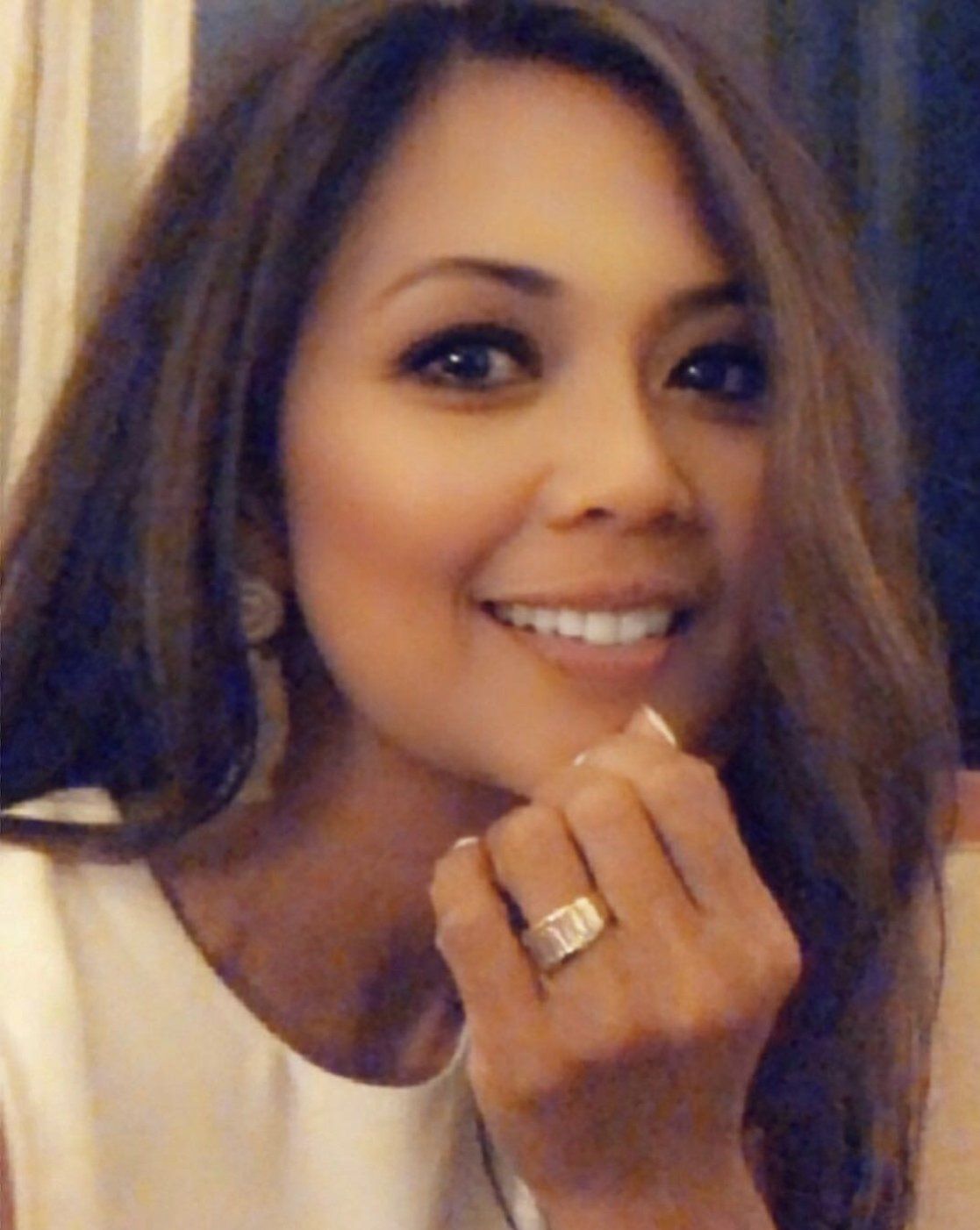
Joyce Ellis (Committee Member)
Joyce Ellis is a parent of a daughter with McCune-Albright Syndrome.
Joyce lives in Surrey, United Kingdom with her husband and three teenage children. Her MAS daughter is a bright, energetic and very resilient young lady who, like any teenager, loves life as it comes.
Her daughter’s positive attitude in life gives her a deep appreciation and passion for raising funds for research to treat and cure FD and MAS. Joyce is also a Board Member of the Fibrous Dysplasia Foundation in the United States.
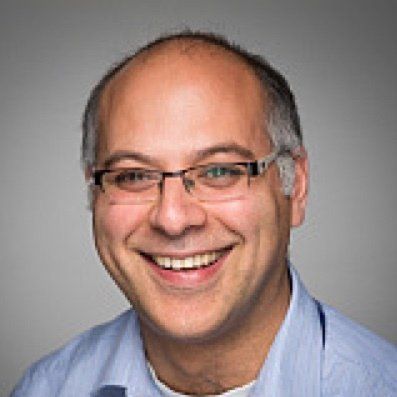
Kassim Javaid (Commitee and FDSSUK MAB Member)
Professor of Osteoporosis and Rare Bone Diseases, University of Oxford and an honorary consultant adult rheumatologist at Oxford University Hospitals NHS Foundation Trust.
He specialises in common and rare metabolic bone diseases. He is the clinical lead for Oxford Fracture Prevention Service, and the national Fracture Liaison Service Audit for England and Wales and serves on the Board of the Fragility Fracture Network. He also is the clinical lead for the Oxford Rare bone disease service for adults and Rare Disease Collaborative Network for Adult Rare Bone Diseases. His research interests include the epidemiology of musculoskeletal diseases with a focus on rare bone disorders and secondary fracture prevention. He acts as a focal point to direct queries from the committee and members into the FDSSUK Medical Advice Board ( MAB ).
Sarah Russell (Committee Member)
I was diagnosed with Fibrous Dysplasia aged 9 whilst having my first bone graph operation on my right femur. I also have McCune-Albright Syndrome and Mazabraund Syndrome (intramuscular myxomas associated with FD).
I recently retired as a nurse after 20 years of working in the NHS and would like to keep using those skills to help people affected by FD. I am still kept busy with my two children and on going treatment, which thankfully has vastly improved over the last 30 years!
I have been associated with FDSSUK since 2007 and have found it a great support when coping with a rare disease. I would encourage you to get in touch whether you are directly or indirectly affected by FD as it really will make a difference.
Stephen McMurray (Committee Member)
I was diagnosed with McCune-Albright Syndrome at 14 months old. My mum noticed that I held back from putting weight on my right leg and had an unusually large appetite.
I first broke my right femur when I was two years old. I have had numerous fractures and operations over the years. I also experience pain in my ribs, spine, shoulder blade and prone to soft tissue injuries. I do have some endocrine issues. I found that the benefits of taking bisphosphonates wore off.
I try to live a reasonably active life and have worked as a Social Researcher and as a Hypnotherapist, my interest stems from my own experiences of managing pain.
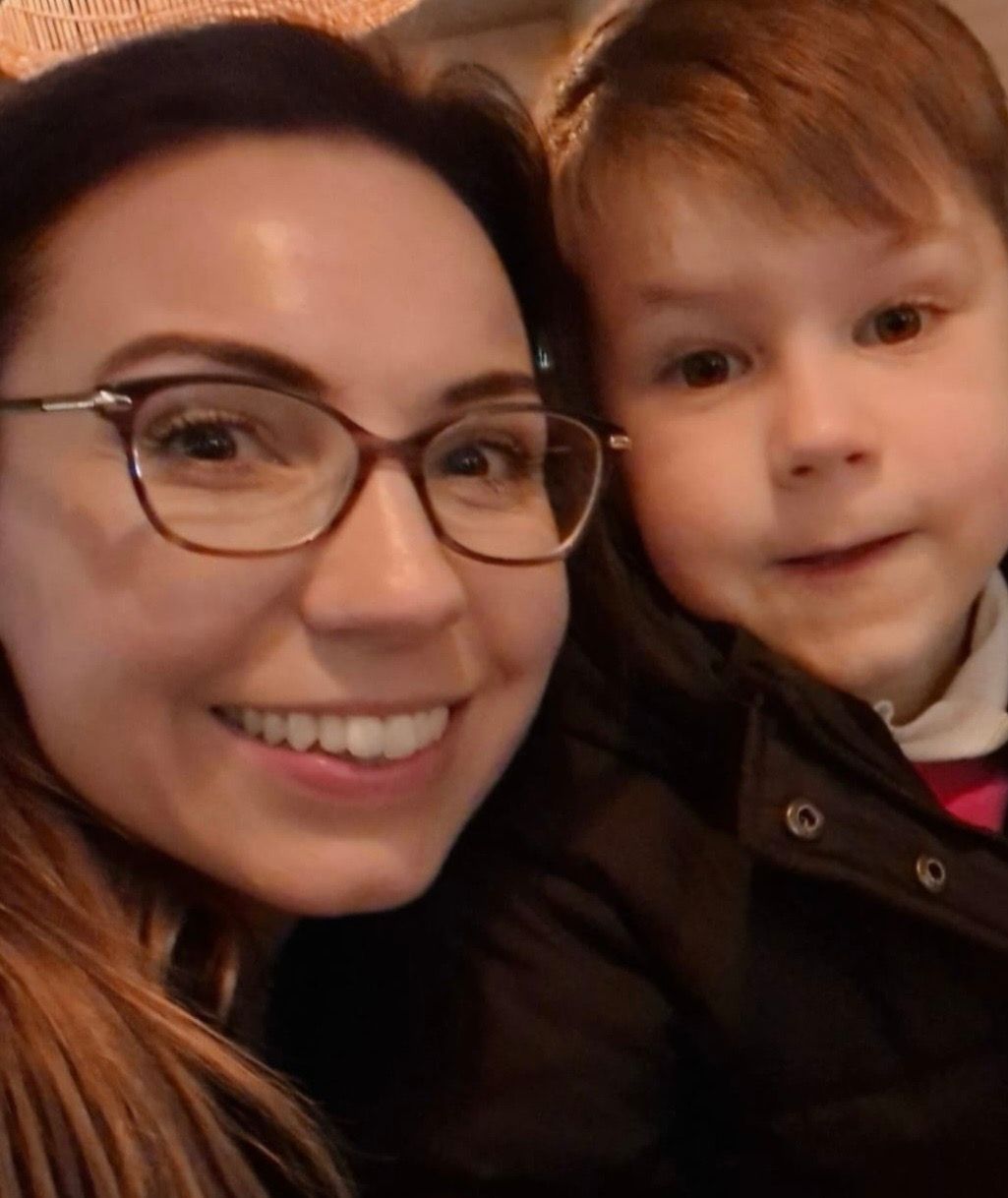
Sophie Collier (Comms Lead)
I'm Sophie, mum of three energetic boys. One of my boys was diagnosed with Polyostotic Fibrous Dysplasia in November 2024; A day that changed our family forever.
With very limited information out there and when we felt extremely vulnerable, FDSSUK was an incredible source of information and emotional support. One of the hardest things in life is watching your child suffer and feeling completely helpless when you hear a doctor say "incurable", having a network like FDSSUK provided us a safe space to process and ask questions.
I joined FDSSUK to work with the incredible people already involved to ra ise awareness and funds to support with research into a cruel and unpredictable disease. I wanted to turn a feeling of helplessness to something more positive and hope for a brighter future where we can celebrate steps towards finding a cure and changing the lives of those who are suffering.
(Committee Member - Post Vacant - Role Not Defined)
We are a charity committed to the increase in knowledge of and improvement of the wellbeing of all those who have experienced or are experiencing the medical conditions associated with FD & MAS. We are always open to new members and encourage participation up to and including joining the committee. All the FDSSUK trustees (pictured on this web page) are volunteers who are affected by FD/MAS, either as a patient, carer or medical professional. Each volunteer brings expertise that will assist with growing the charities work, in the hope this will facilitate a better future for FD/ MAS sufferers.